
Digital Insurance Experience
l Ied end-to-end UX/UI design of regulated insurance purchase flows across two brands, from concept to high-fidelity prototypes. My work focused on simplifying complex insurance logic, clarifying user decisions, and balancing user needs with legal and business constraints - resulting in clearer journeys, reduced friction, and a more confident purchase experience.

About this project
This project focused on redesigning regulated insurance purchase flows across two brands, where complex legal requirements, fragmented user journeys, and high cognitive load were negatively impacting user confidence and completion rates. The goal was to create a clear, calm, and mobile-first insurance experience that simplifies decision-making while remaining fully compliant with PTC (Policy Terms and Conditions) and regulatory constraints.
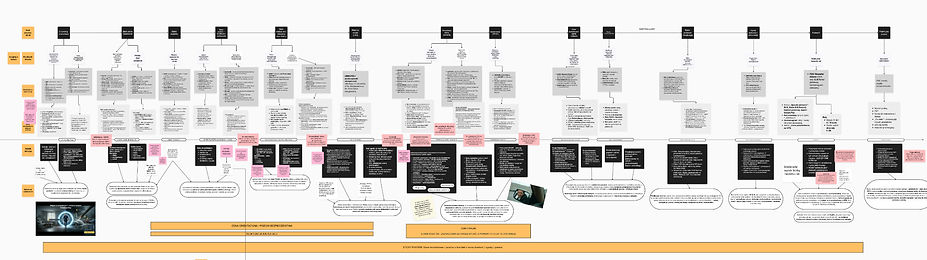
🚀 I worked on this project end-to-end as a UX/UI Designer, co-creating five complete purchase flows from early concept through high-fidelity prototypes. I collaborated closely with another designer and had regular check-ins with the lead designer (2–3 times per week), iterating on research insights, journey logic, content clarity, and UI decisions to continuously improve the experience under evolving business and legal requirements.
Context & Team
The Problem
The Goal
🏢 Company: Insurance product (confidential), 2 consumer-facing brands
🧑🤝🧑 Team: 2 UX Designers, Lead Designer, UX Researcher, Product stakeholders
⏳ Timeline: Multi-stage, iterative delivery (5 purchase flows) - 4 months
🧩 Role: UX/UI Designer, end-to-end flow owner
💡 Scope: Owned UX strategy, user journeys, content logic, UI design, prototyping, and design handoff under regulatory constraints
When I joined the project, it started with a kickoff meeting with the client, where business goals, constraints, and the delivery plan were defined. Usability testing of the existing purchase flow had already been conducted, and I received synthesized research insights highlighting key friction points and comprehension issues.
At that stage, the insurance purchase experience across the products suffered from:
-
Complex, form-driven journeys built around legal structure rather than user decision logic
-
Low clarity of coverage, limits, and exclusions due to PTC language used directly in the UI
-
High cognitive load at key decision moments
-
Inconsistent UX patterns across flows and brands
-
Limited mobile-first maturity and weak hierarchy on smaller screens
The goal of this project was to redesign regulated insurance purchase flows across two brands to create a clear, calm, and mobile-first decision experience. The focus was on turning complex PTCs into understandable, user-centric journeys, while balancing compliance, business priorities, and rapid iteration.
My Contributions
🧭 User Journeys & Decision Logic
-
Owned end-to-end structure of regulated purchase flows
-
Identified key decision moments, friction points, and drop-off risks
-
Restructured journeys to support progressive disclosure and clearer decision-making
📝 Content & Policy Translation -
Translated complex Policy Terms and Conditions into clear, user-friendly content
-
Removed insurance jargon while maintaining regulatory compliance
-
Designed contextual helpers, tooltips, and summaries to explain limits, exclusions, and options
🎨 UI Design & Responsive Experience -
Designed mobile-first interfaces scaled to tablet and desktop (200+ screens)
-
Ensured clear hierarchy, readability, and calm visual rhythm
-
Designed consistent UI patterns across brands while respecting brand differences
🧩 Components & Interaction Patterns -
Designed reusable form components and information sections
-
Defined full component states: default, focus, error, success, disabled
-
Ensured consistency of interaction patterns across all flows
🔗 Prototyping & Iteration -
Built high-fidelity interactive prototypes in Figma
-
Used prototypes to validate flow logic, pacing, and content clarity
-
Iterated quickly based on stakeholder feedback and usability insights
🤝 Collaboration & Alignment -
Worked closely with another UX designer and the lead designer
-
Held regular check-ins (2-3 per week) to review decisions and align direction
-
Collaborated closely with product, legal, marketing, and development teams to make UX decisions under regulatory, technical, and business constraints while maintaining clarity and usability across all flows.


Outcomes & Impact
-
✅ 5 redesigned insurance purchase flows delivered across 2 brands, aligned to a shared UX logic
-
📱 Mobile-first, responsive experience across all breakpoints (200+ screens per flow)
-
🧭 Clearer decision-making, validated through positive usability testing with users, confirming improved understanding of coverage, choices, and flow logic
-
⚖️ Full regulatory compliance maintained while translating Policy Terms and Conditions into human-readable UX
-
🤝 Stronger cross-team alignment between product, legal, marketing, development, and QA through clear UX decisions and documentation
-
💬 Positive feedback from stakeholders, highlighting improved clarity, flow structure, and reduced friction across journeys

What I Learned
-
How to design high-quality UX in a regulated insurance environment, where legal, business, and user needs must be balanced at every step
-
How to translate Policy Terms and Conditions, coverage tables, limits, and exclusions into clear interface logic and content that helps users understand choices and consequences
-
How to identify and design around critical decision moments that influence user confidence and completion
-
How to reduce cognitive load in complex flows through progressive disclosure, content hierarchy, and narrative-driven journeys
-
How to collaborate effectively with product, legal, marketing, and development to align UX decisions under real-world constraints
-
How to validate and iterate UX solutions through usability testing with users and stakeholder feedback


🚀 What’s Next
I’m looking to join a product team where I can:
-
Design clear, user-centered experiences in complex or regulated domains
-
Apply decision-driven UX to simplify complex logic and reduce cognitive load
-
Contribute to visual direction and branding that builds trust and consistency across products
-
Help evolve scalable UX patterns and systems used across teams
-
Collaborate closely with product, engineering, research, and marketing throughout the product lifecycle
-
Validate and iterate solutions through research and usability testing
